- Debt consolidation restructures existing debt into a single payment but does not eliminate what you owe.
- Bankruptcy is a legal process that can discharge certain debts but carries significant and long-lasting credit consequences.
- The choice between debt consolidation and bankruptcy depends on income stability, total debt amount, and long-term financial goals.
- Debt consolidation generally causes less credit damage and is best for those who can still repay their debt.
- Bankruptcy offers stronger legal protection from creditors, including collection actions and lawsuits.
- Not all debts are cleared in bankruptcy, and whether bankruptcy clears tax debt depends on specific legal criteria.
Managing overwhelming debt can feel like standing at a crossroads with no clear signposts. Two of the most commonly considered paths are debt consolidation and bankruptcy—each offering relief, but in very different ways. Understanding how these options work, who they’re best for, and what long-term consequences they carry is critical before making a decision that could shape your financial future for years.
This guide breaks down the pros, cons, and key differences between debt consolidation and bankruptcy to help you make a confident, informed choice.
What Is Debt Consolidation and How Does It Work?
Debt consolidation is often viewed as a proactive approach to managing unsecured debt before financial distress escalates. It involves combining multiple debts—such as credit cards, personal loans, or medical bills—into a single loan or payment. This strategy aims to simplify repayment while potentially reducing interest rates or monthly obligations. For individuals with stable income and manageable debt levels, consolidation can feel like regaining control rather than starting over financially.
At its core, debt consolidation does not eliminate debt; it restructures it. Borrowers still owe the full balance, but under new terms that may be more favorable. This approach works best when financial hardship is temporary rather than ongoing. However, it also requires discipline, as missing payments can quickly undo its benefits.
Common Debt Consolidation Options
- Personal debt consolidation loans
- Balance transfer credit cards
- Home equity loans or lines of credit
- Debt management plans through credit counseling agencies
Pros and Cons of Debt Consolidation
Pros
- One simplified monthly payment
- Potentially lower interest rates
- Less damage to credit than bankruptcy
Cons
- Requires fair to good credit in most cases
- Does not reduce the total debt owed
- Risk of falling back into debt if spending habits don’t change
Debt Consolidation vs Bankruptcy: Understanding the Key Differences
When comparing debt consolidation vs bankruptcy, the most important distinction lies in how each option addresses debt at a legal and financial level. Bankruptcy is a formal legal process governed by federal law, while debt consolidation is a financial strategy that operates within existing credit agreements. This difference alone has major implications for credit, assets, and long-term financial recovery.
Bankruptcy is typically considered when debt becomes unmanageable, and repayment is no longer realistic. It can provide powerful relief, including automatic stays that stop collection actions. Debt consolidation, on the other hand, assumes repayment is still possible with a better structure. Choosing between the two often depends on income stability, debt amount, and how quickly relief is needed.
Legal and Financial Impact Comparison
| Factor | Debt Consolidation | Bankruptcy |
| Legal process | No | Yes |
| Debt eliminated | No | Possibly |
| Credit impact | Moderate | Severe |
| Collection protection | Limited | Immediate |
Credit Score Considerations
- Debt consolidation may initially dip credit, but can improve it over time
- Bankruptcy remains on credit reports for 7–10 years
- Consolidation preserves borrowing options sooner
How Bankruptcy Works and What Debts It Can Clear
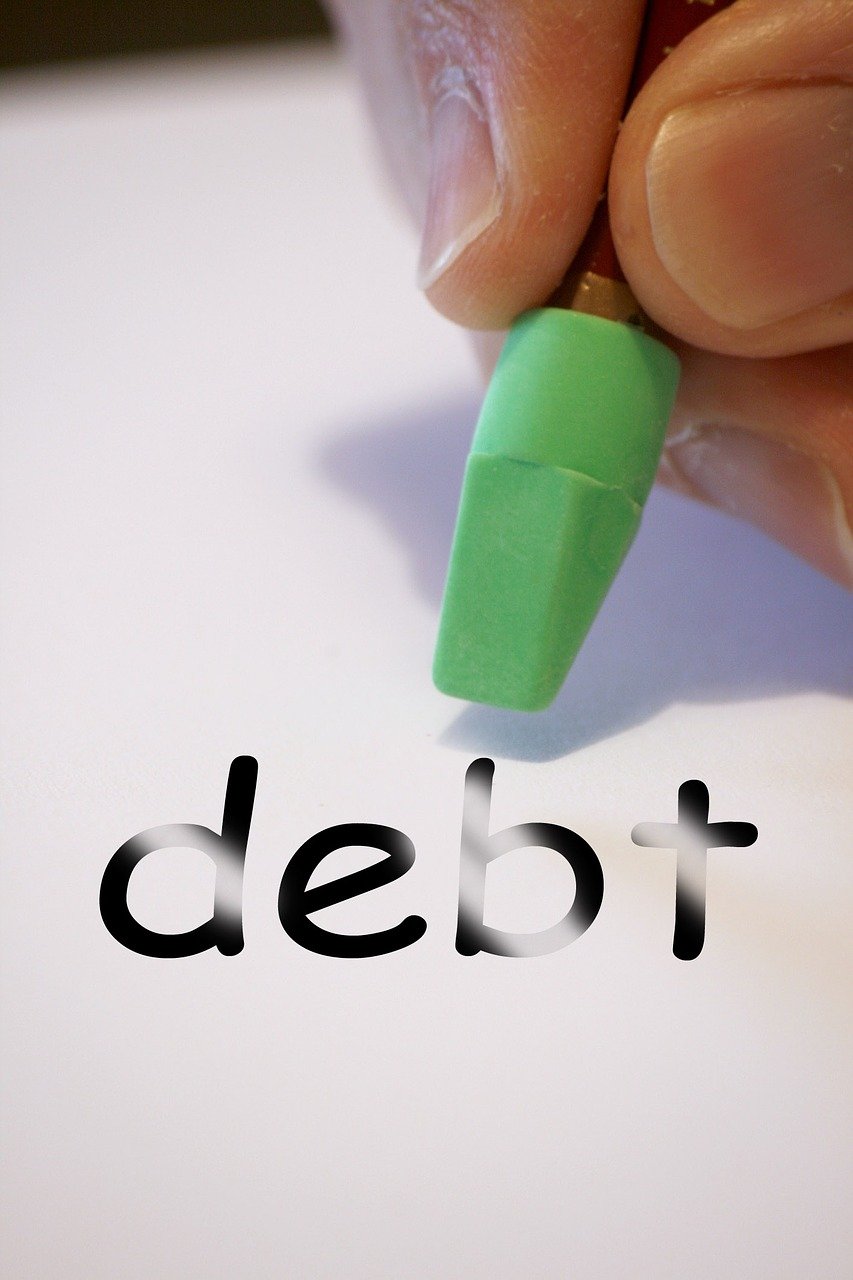
Bankruptcy is designed to give individuals a financial reset when debt obligations become impossible to meet. Depending on the chapter filed—most commonly Chapter 7 or Chapter 13—bankruptcy can discharge certain debts or reorganize them into a court-approved repayment plan. While it offers strong legal protection, it also comes with long-term consequences that should not be overlooked.
One common misconception is that bankruptcy clears all debts automatically. In reality, only specific types of unsecured debt may be discharged. Others, such as student loans, child support, and some taxes, often survive the process. Many filers also ask, Does bankruptcy clear tax debt?, and the answer depends on factors like the age of the tax debt and whether returns were filed properly.
Debts Commonly Discharged in Bankruptcy
- Credit card debt
- Medical bills
- Personal loans
- Old utility balances
Debts Typically Not Discharged
- Recent tax debt
- Student loans (in most cases)
- Alimony and child support
- Court fines and penalties
Which Option Is Right for Your Financial Situation?
Deciding between debt consolidation and bankruptcy is not about choosing the “better” option universally—it’s about choosing the right one for your specific circumstances. Income stability, total debt amount, asset ownership, and future financial goals all play a role. What works for someone with temporary hardship may be disastrous for someone facing long-term income loss.
If you can reasonably repay your debts with adjusted terms, consolidation may help you avoid legal consequences and preserve credit. If debt has already reached a breaking point, bankruptcy may provide the clean slate needed to rebuild. Consulting a financial advisor or bankruptcy attorney can clarify which path aligns best with your situation.
Questions to Ask Before Deciding
- Can I realistically repay my debt within 3–5 years?
- Am I facing lawsuits or wage garnishment?
- How important is short-term credit access to me?
- Do I have assets I need to protect?
Final Thoughts: Making an Informed Debt Relief Choice
Debt consolidation and bankruptcy both exist to help people regain financial stability—but they serve very different purposes. Understanding their pros, cons, and long-term implications allows you to move forward with clarity rather than fear. The best decision is one grounded in honest assessment, not urgency or pressure.
About the Author